
Manufacturing productivity depends on more than advanced equipment and efficient production processes. The people operating that equipment and carrying out those processes play an equally important role. Their working conditions can influence how effectively they perform tasks, particularly in environments where precision, consistency, and attention to detail are essential.
In industries such as aerospace, electronics, biotechnology, and medical device manufacturing, employees often spend extended periods assembling components, conducting inspections, or operating specialized equipment. These activities place different physical demands on workers, making employee comfort an important consideration in creating a productive manufacturing environment.
How Physical Discomfort Affects Daily Performance
Physical discomfort can develop gradually during a workday, particularly when tasks involve prolonged standing, repetitive movements, or awkward body positions. Over time, these conditions may contribute to muscle fatigue and physical strain, making it more challenging for employees to maintain their usual pace and level of concentration.
The effects can extend beyond the individual employee. When tasks become physically demanding, employees may need to pause more frequently or change how they perform certain activities. These adjustments can interrupt established workflows and make production schedules harder to maintain. Understanding these challenges helps manufacturers recognize where changes to working conditions may be beneficial.
Why Ergonomics Matters in Manufacturing
Ergonomics provides a practical framework for reducing the physical demands associated with manufacturing tasks. Rather than expecting employees to adapt to equipment or processes that may not suit their needs, ergonomic planning considers how the work can be arranged to better accommodate human capabilities and limitations. Solutions such as ergonomic lift stations can support this approach by allowing working heights to be adjusted according to different tasks and employee needs.
An effective approach begins by evaluating the relationship between employees and their tasks. Factors such as the force required to handle materials, the frequency of repetitive motions, and the duration of particular activities can help identify potential ergonomic concerns. This broader assessment allows manufacturers to prioritize improvements based on actual working conditions rather than relying on a single solution for every application.
The Role of Workstation Design in Employee Comfort
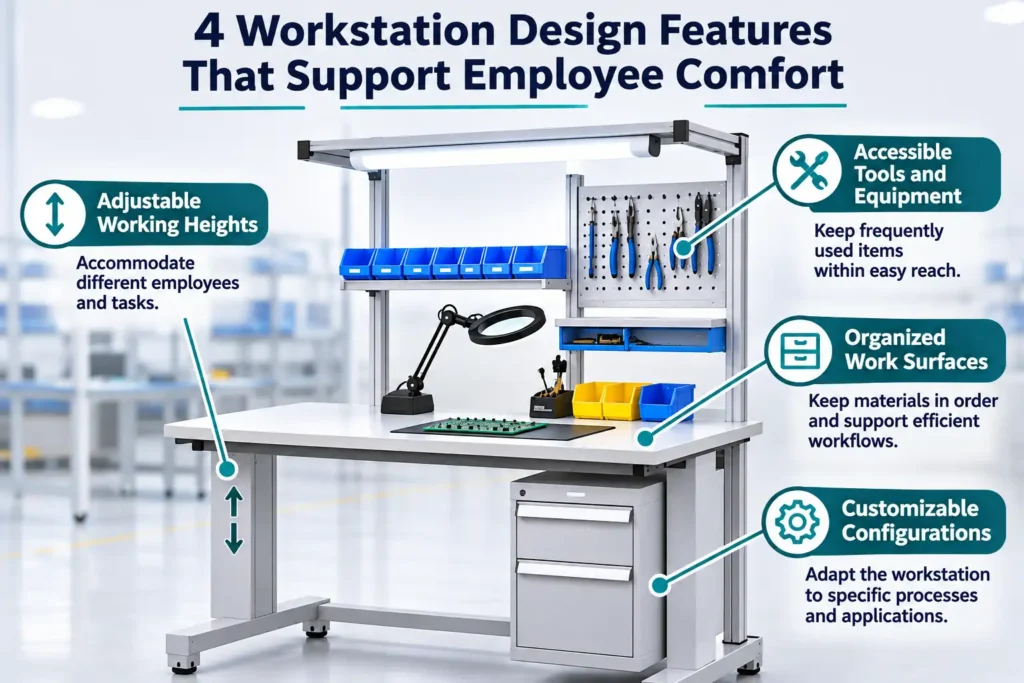
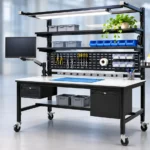
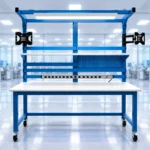
Workstation design is one practical way to apply ergonomic principles within manufacturing environments. The height of a working surface, the positioning of equipment, and the availability of suitable storage can influence how employees interact with their immediate surroundings. For example, adjustable-height workstations can accommodate different working positions, while appropriately placed accessories can make frequently used tools easier to access.
The configuration of a workstation should also reflect the requirements of the application. A technician performing electronics assembly may need a different arrangement from an employee conducting product inspections or laboratory testing. Modular and customizable workstations give manufacturers the flexibility to account for these differences, allowing the physical setup to support the specific activities taking place.
How Employee Comfort Supports Quality and Efficiency
In precision manufacturing, employees are often responsible for tasks that require careful judgment, controlled movements, and consistent execution. Physical comfort can help support the attention these activities demand by reducing distractions associated with strain or awkward positioning. While comfort alone does not determine product quality, it contributes to working conditions that allow employees to apply their skills more effectively.
From an operational perspective, improvements in employee comfort can also complement broader efficiency initiatives. When physical demands are appropriately managed, employees may find it easier to sustain their performance across shifts. This makes ergonomics a useful consideration alongside process standardization, training, and quality management when evaluating manufacturing performance.
Turning Employee Feedback Into Workplace Improvements
Employees can provide valuable insight into the practical challenges of their working environment. Their daily experience may reveal issues that are not immediately obvious during routine facility assessments, such as difficult-to-handle materials, inconvenient equipment placement, or tasks that become uncomfortable after several hours.
Manufacturers can use this feedback to guide targeted improvements and evaluate whether changes are effective. Rather than implementing adjustments based solely on assumptions, involving employees in the process helps ensure that solutions address real needs. Regular reviews can also identify new concerns as production methods, staffing, and operational requirements change.
Creating a Workplace That Supports People and Performance
Employee comfort is an important part of maintaining a manufacturing environment where people can perform their responsibilities effectively. Addressing physical demands, applying ergonomic principles, and incorporating employee feedback can help organizations make informed decisions about workplace improvements.
Ultimately, productive manufacturing environments are built by considering both operational requirements and the people responsible for meeting them. Thoughtful planning, adaptable equipment, and a commitment to continuous improvement can help manufacturers create working conditions that support employee well-being and dependable performance over time.
Building Flexibility Into Manufacturing Environments
Manufacturing operations evolve as companies introduce new products, update equipment, and refine production methods. These changes can alter the physical requirements of individual tasks, making flexibility an important part of long-term workplace planning. A layout that supports one process effectively may need to be modified when new responsibilities or equipment are introduced.
Planning for adaptability can help manufacturers respond to these changes without unnecessarily disrupting existing operations. At Bench-Tek, this approach is reflected in the development of modular, customizable workstation solutions that can be configured around specific applications. By collaborating with customers to understand their requirements, Bench-Tek helps create workspaces that accommodate current processes while allowing room for future adjustments.
Key Takeaways
- Employee comfort influences productivity. Reducing physical strain and fatigue can help employees maintain focus and consistent performance.
- Ergonomics supports better working conditions. Evaluating physical demands helps manufacturers identify opportunities to improve employee well-being.
- Workstation design plays an important role. Adjustable heights, accessible equipment, and customizable configurations can support different manufacturing tasks.
- Comfort contributes to quality and efficiency. Ergonomic improvements can help employees perform precision tasks with fewer physical distractions.
- Employee feedback drives meaningful improvements. Involving workers in workplace assessments helps identify practical solutions.
- Flexibility supports long-term productivity. Adaptable workspaces help manufacturers respond to changing processes and operational requirements.